Buyer safety
Land Scams in Ghana: What to Check Before You Pay
Pressure to pay, unclear boundaries and unverifiable sellers: a practical guide to slowing down a risky land deal.
Goldenlet Editorial22 October 20267 min read
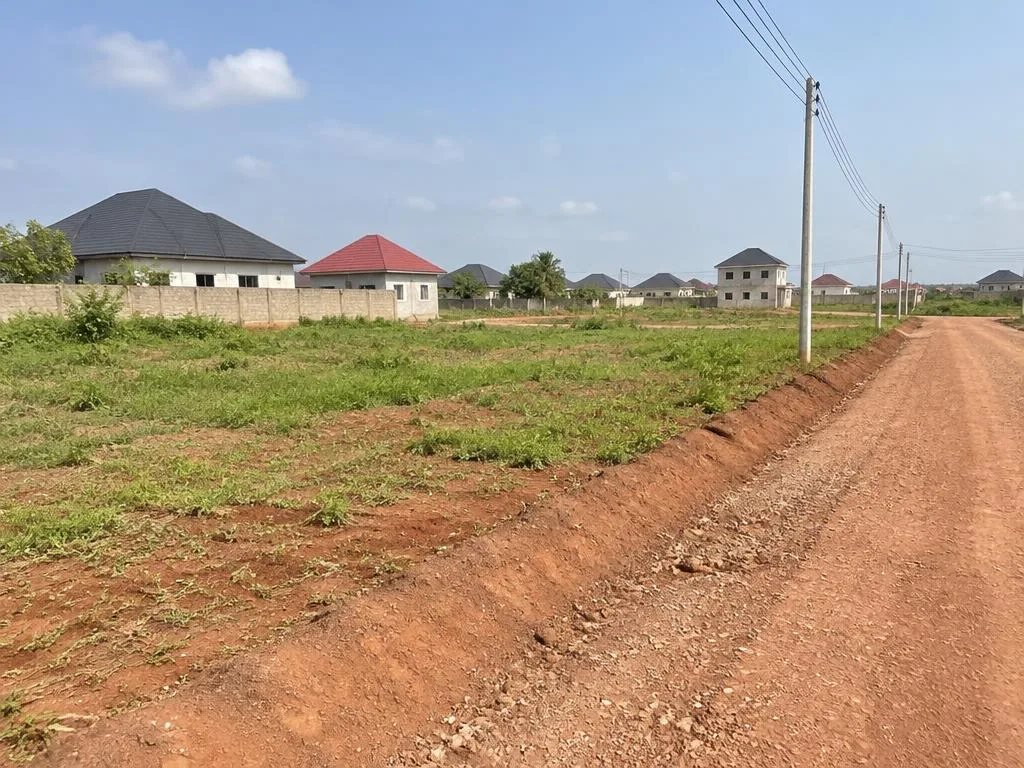
A convincing sales pitch is not proof of ownership
A fenced plot, a confident seller and an attractive price can make a transaction feel safe. None of those things establishes that the seller can lawfully transfer the land. The Lands Commission has acknowledged fraud and inefficiencies in land administration. The sensible response is verification, not panic.
Treat a request to pay immediately as a reason to slow down. A genuine opportunity should leave enough room for an independent lawyer to review the ownership documents and for a qualified surveyor to identify the parcel. These are practical buyer safeguards, not a promise that every risk can be eliminated.
Check the seller and the exact parcel
Ask who owns the land and in what capacity the person is selling it. If an agent, family representative or company is involved, have your lawyer verify the authority being relied on. A name on a receipt is not a substitute for this investigation.
Visit the site with a surveyor and compare the ground boundaries with the plan and the documents. A beautiful marketing map is not enough. Your due diligence must concern the same parcel that will appear in the sale agreement.
- Request the ownership documents and seller identification.
- Ask your lawyer to examine the chain of ownership and authority to sell.
- Check the surveyed boundaries, access and any occupation of the land.
- Ask about competing claims, restrictions and the proposed use.
Use an official search — and understand its limits
The Commission’s consolidated-search page specifies a scanned site plan edged pink or red, drawn to a standard scale and showing a visible grid. Ask a qualified professional to prepare the correct plan rather than submitting an unrelated location sketch.
A search provides important information for review. It should be combined with legal and physical checks; it is not a blanket guarantee that there are no disputes, overlaps or other problems. Discuss anything unclear in the result before signing or paying.
References: [1]
Make the payment trail easy to follow
Get the agreed price, the parcel description and payment obligations in writing. Keep transfer records, signed receipts and correspondence. Independently verify any last-minute change to the account you have been told to pay.
For Commission bills, use official channels and keep the electronic receipt where available. The online portal offers payment and receipt services but explicitly excludes stamp-duty bills from its payment description. Do not assume every charge can be paid in the same way.
References: [3]
What to do if something feels wrong
Pause further payments and preserve the agreement, receipts, messages, account details and plans. Ask an independent lawyer to assess the position. Suspected criminal fraud should be reported to the appropriate authorities rather than handled through threats or confrontations at the site.
The Commission portal also provides complaints and feedback facilities. That channel can help with service-related concerns, but it is not a substitute for legal advice or a criminal investigation.
References: [3]
Sources & references
- [1] Lands Commission — Consolidated Search
- [2] Lands Commission — Land acquisition guidance at the 4th GUBA Conference
- [3] Lands Commission — Online Services Portal
- [4] Lands Commission — National Land Conference report
Official pages checked on 22 October 2026. This article provides general education, not legal, surveying or investment advice. Service requirements can change; confirm current guidance and consult independent professionals for your transaction.
Have a plot in mind?
Discuss the location, payment terms and documents before making your decision.
Talk to Goldenlet